
Headache Clinic
Headaches don't all look the same, and they're not all migraines. Tension headaches, cervicogenic headaches that start at the base of your skull or neck, cluster headaches, post-concussion headaches, and classic migraines can all show up with overlapping symptoms, and each one needs a different explanation, not just a different pill. We find out why your head hurts, not just another prescription to get you through the next one.
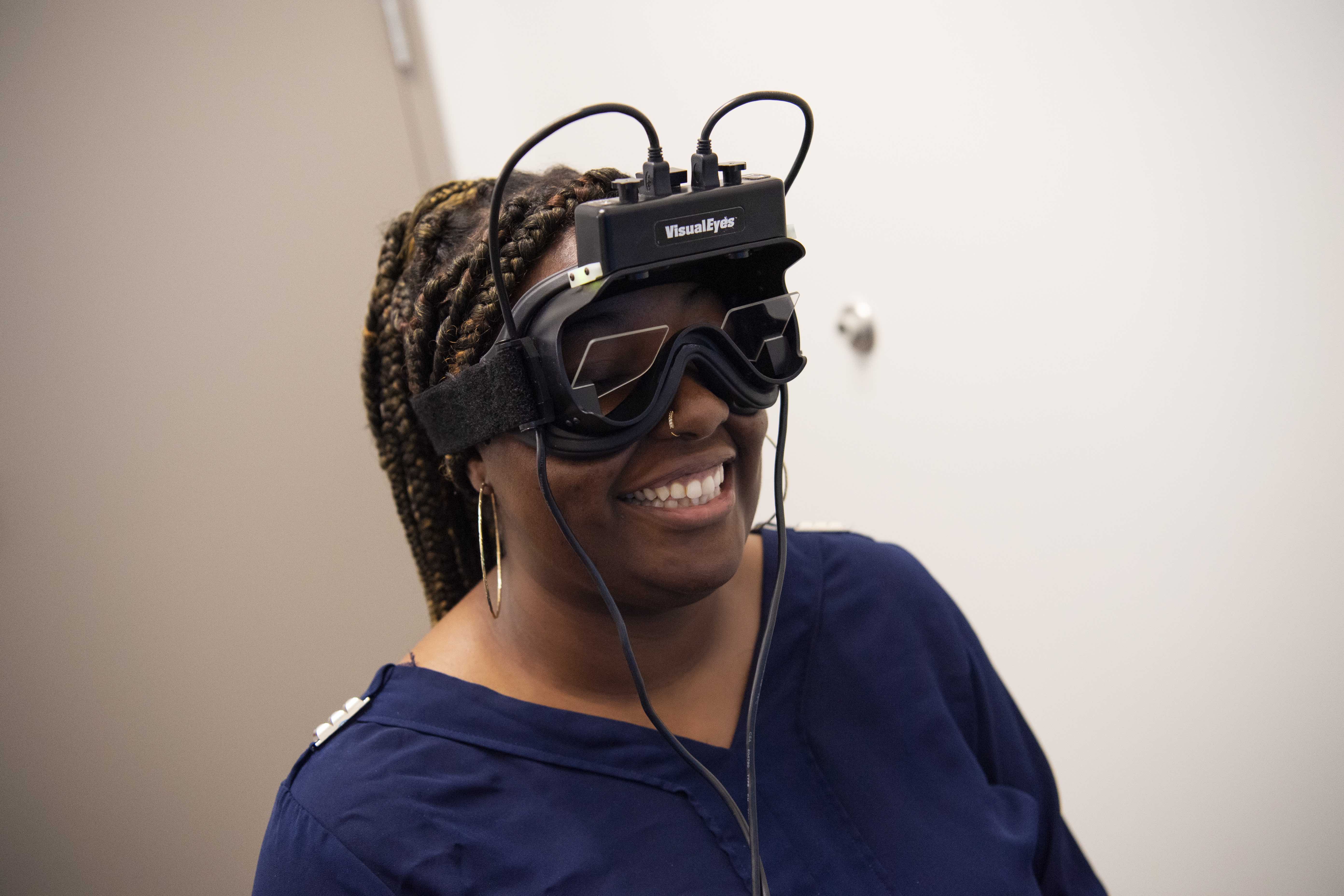
Our board-certified chiropractic neurologists, trained at the Carrick Institute, bring specialized clinical experience treating headaches. They use objective testing, including autonomic evaluation, video-oculography, computerized posturography, and neuro-timing evaluations, to locate exactly what's driving your headaches and treat it there. The goal is a plan built around your specific breakdown, not a one-size-fits-all prescription, so fewer headaches and less reliance on medication become realistic.
Get Your Headache Treatment Plan
Board-Certified Chiropractic Neurology

When it comes to your brain, experience matters. Our collaborative team of 9 Board-Certified Chiropractic Neurologists brings over 70 years of collective experience to your recovery, providing the highest standard of care for complex concussions.
What's Actually Causing Your Headaches?
Headaches, whether occasional or chronic, migraine or otherwise, are often treated as one condition to medicate and wait out. We look at them differently: as a symptom of an underlying neurological breakdown, often involving central sensitization, cervicogenic dysfunction, or autonomic dysfunction, that can be identified and treated directly.
That's why headaches can stop responding to medication over time, or why some never had a clear trigger to begin with. Our approach starts with finding out why your nervous system is generating these headaches in the first place.
Does This Sound Like Your Headaches?
Common patterns we see include:
Frequent or chronic headaches that don't respond well to standard medication, or keep coming back
Headaches that start at the base of the skull or neck
Migraine-type symptoms, including throbbing, aura, light and sound sensitivity, and nausea
Headaches that started or worsened after a concussion or neck injury
Headaches you're managing with painkillers more days than not
Headaches your doctor has run out of explanations for
Why Standard Headache Care Often Falls Short
If you've already tried over-the-counter or prescription painkillers, been told your imaging is normal, or been sent home to just track your stress and wait it out, you know that blunting the pain doesn't answer why your nervous system keeps generating headaches in the first place.
At Carolina Functional Neurology Center, our board-certified chiropractic neurologists are focused on identifying what's driving your headaches, not masking them, so we can create positive, lasting changes in the brain — and point you toward the right specialty care if the answer turns out to lie outside neurology.
How We Diagnose and Treat Headaches
We locate the specific neurological breakdown driving your headaches using objective testing, then build a treatment plan around what we find. Testing and treatment methodologies include:
Neurological Exam
Autonomic Evaluation
Video-oculography
Computerized Posturography
Neuro-Timing Evaluations
Lab Work
Tilt Table Therapy
Neurological Rehabilitation
Neuromodulation
Eye Movement Therapy
Peripheral Nerve Stimulation
Vestibular Rehabilitation
Nutritional Counseling
Individualized Supplementation
Red/NIR Light Therapy
BEMER Therapy
Chiropractic Adjustments
Musculoskeletal Therapy
Find the CFNC Location Nearest You
Every office is staffed by our board-certified team and independently rated by real patients on Google.
Ready to Find Out What's Driving Your Headaches?
Start with a $50 virtual consultation with a board-certified chiropractic neurologist and start building a treatment plan around what's actually driving your headaches, not just the pain they're causing.
Board-Certified Chiropractic Neurologists · 4 locations in NC, FL & ME · HSA & FSA accepted
What Our Patients Say
I made it through a migraine without taking any abortive medication. That’s the first time I’ve ever successfully done that in my entire life… I’m absolutely ecstatic, this is the first time in my entire life I’ve felt hopeful that I might be able to get off meds because something else is actually helping. I never thought it would be possible, but it is because of CFNC and neurological rehab. Thank you so much.
Frequently Asked Questions
What's the difference between a headache and a migraine?
Not every headache is a migraine, and not every migraine even causes head pain.
Migraine is a specific neurological condition tied to hyperexcitable brainstem and sensory networks, sometimes producing vertigo, light or sound sensitivity, or visual disturbances with little or no head pain at all, as in vestibular migraine.
Other headache types, like tension, cervicogenic, and post-concussion headaches, trace back to different sources: neck or muscle dysfunction, or how well the brain is receiving oxygen and nutrients during recovery from injury. Identifying which one you have changes how it should be evaluated and treated.
What causes chronic or recurring headaches?
Chronic headaches usually trace back to how well specific brain systems are functioning, not just to a single trigger.
Genetics that make brainstem neurons hyperexcitable can drive migraine-type headaches; dysfunction in the autonomic nervous system can impair oxygen and nutrient delivery to the brain and produce headaches along with dizziness or lightheadedness on standing; and irritation at the base of the skull or neck can cause cervicogenic headaches.
Because these mechanisms overlap, the same headache pattern can have different underlying causes from one patient to the next, which is why testing matters more than guessing at triggers.
Can a head injury or concussion cause ongoing headaches?
Yes. Headaches are one of the most common symptoms reported long after a concussion, and they often stem from autonomic nervous system dysfunction that disrupts oxygen and nutrient delivery to the healing brain.
In one of our case studies, a 10-year-old who had been waking up with daily headaches and light sensitivity after a head injury was headache-free within five weeks of gaze-stabilization exercises, chiropractic adjustments, soft tissue work, and targeted supplementation.
Research also shows athletes who begin vestibular rehabilitation within 8 to 10 days of a concussion tend to recover faster than those who wait.
How does CFNC evaluate headache patients?
We use objective testing to identify which brain systems are contributing to your headaches, rather than relying on a symptom checklist alone.
That includes videonystagmography (VNG), a 12 to 15 minute test using goggles and infrared cameras to assess several types of eye movement, including gaze stability, saccades, and pursuits, that reflect brainstem, cerebellar, and cortical function; autonomic testing, including pupillary light reflex and orthostatic response; and posturography for balance.
Abnormalities in these systems are directly linked to headaches, brain fog, light sensitivity, and dizziness, so the testing tells us where to focus treatment.
What does headache treatment look like at CFNC?
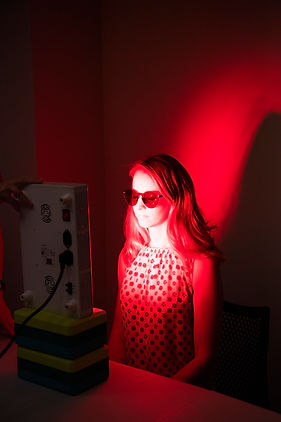
Treatment is built around whatever the testing shows is driving your specific headaches, not a standard protocol. Depending on what we find, a plan may include oculomotor and gaze-stabilization exercises, vestibular rehabilitation, cervicovestibular integration and chiropractic adjustments, autonomic regulation techniques like diaphragmatic breathing and cranial nerve neuromodulation, and supportive therapies such as Red/NIR light therapy or BEMER pEMF.
In one case, a patient with suboccipital headaches and central vestibular dysfunction reported an 80% improvement in symptoms after a structured course of this kind of care.
Migraine Patient Stories


About Carolina Functional Neurology Center
Carolina Functional Neurology Center is home to board-certified chiropractic neurologists trained at the Carrick Institute, treating complex conditions many providers can only manage, including headaches, migraines, POTS, dysautonomia, and long COVID, through a comprehensive, whole-person diagnostic workup. We see patients at 4 locations (Charlotte, Raleigh, Lakewood Ranch, and York) and offer transparent cash-pay care, with HSA/FSA accepted.


Contact Carolina Functional Neurology Center
Have questions about headache treatment or want to talk to our team before scheduling? Fill out our contact form and we'll reach out to you within 24 hours to answer any questions.